


Hello there! Welcome to Fiery Word
If you haven’t already done so, please subscribe to this newsletter. It is free and goes directly to your inbox when you subscribe.
Kindly take a second to subscribe and share with somebody today.
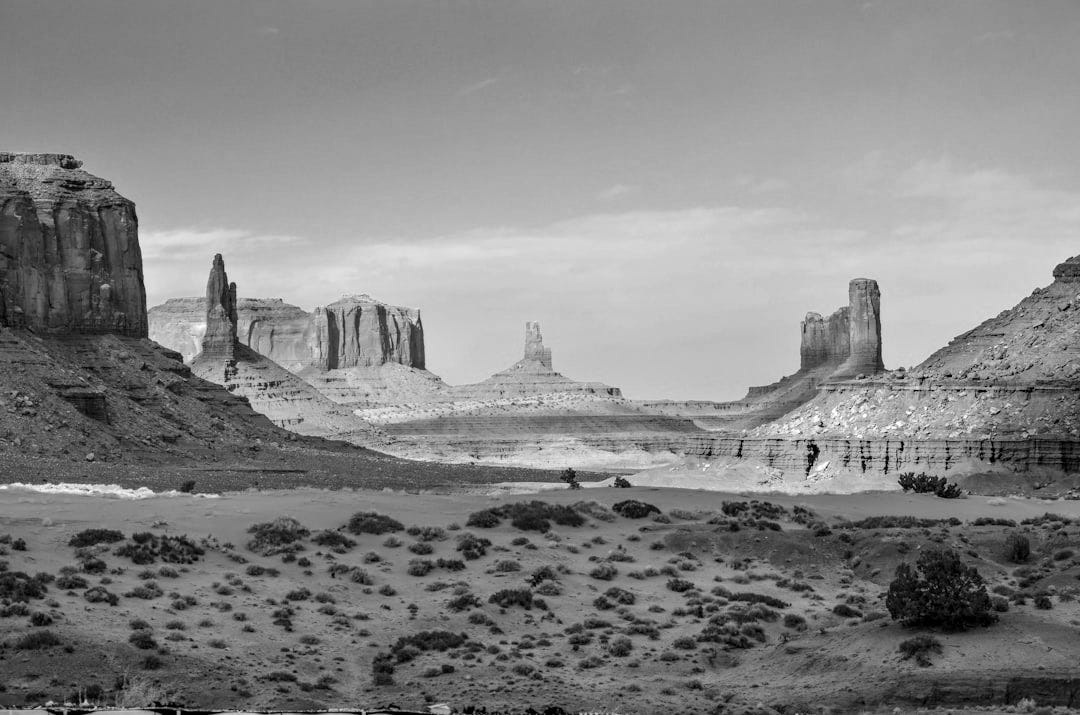
“Forget the former things; do not dwell on the past. See, I am doing a new thing! Now it springs up; do you not perceive it? I am making a way in the wilderness and streams in the wasteland.” (Isaiah 43:18-19)
In December, after writing the final Fiery Word piece for 2025, I found myself exhausted by a year of relentless striving and unsustainable pace. With the noise finally stilled, I asked the Lord for a word. In prayer, I called on Jehovah, seeking not clarity about outcomes but direction for the year ahead. The future felt uncertain, even threatening to my faith. And then the answer came, simple yet piercing: Can you not see what I am doing? It was both a rebuke and an invitation. God was exposing my tendency to fear what I cannot control, even as He was revealing His quiet, unfolding work for His beloved.
And so the word for 2026 is RESTORATION. This theme finds its home in Isaiah 43, where God calls His people to release their fixation on what has been and to attend to what He is bringing forth. The chapter stands at a hinge point in Israel’s story and in the book of Isaiah itself. The people addressed are not triumphant or secure, but dislocated, humiliated, and unsure whether God is still near. The backdrop is exile and Babylon looms large. Jerusalem has fallen and the temple lies in ruins. The covenant people are left asking whether the God who once delivered them has gone silent. The crisis they face is not only political displacement, but spiritual disorientation. Israel remembers what God used to do, yet cannot discern how those sacred memories speak into the ache of their present desolation.
That ancient disorientation is not as foreign to us as we might assume. Many of us are not exiled geographically, yet we live far from God in subtler ways. We remember seasons when faith felt alive, when prayer was natural and God’s presence unmistakable, but those memories now feel distant, almost belonging to another life. Others among us know God only in fragments. We recognize Him in moments of breakthrough, in answered prayers and spiritual highs, but lose sight of Him in waiting, silence, and loss. Like Israel, we carry sacred memories yet struggle to perceive God in the landscape we currently inhabit. And so we ask the same quiet question beneath our routines and resilience: is the God who moved before still at work now?
This godly confrontation is not aimed at forgetfulness but at fixation. Israel had learned to trust God only insofar as He repeated Himself. The Exodus became both testimony and limitation. What was once evidence of God’s power slowly hardened into expectation, then assumption, and finally demand. God was faithful, yes—but only if He acted the way He always had. And so the memory that once sustained faith began to suffocate it.
We are not so different. Many of us hold God captive to the seasons when He felt most visible. We look for Him in the language He once spoke, the ways He once moved, the prayers He once answered. When He does not part the sea again, we assume He is absent. When He chooses the slow work of formation over dramatic rescue, we mistake silence for distance. Faith quietly erodes not because God has changed, but because we have confused His past faithfulness with the full measure of who He is.
In Isaiah 43, God insists on being known beyond repetition. The same God who once split waters now promises to carve roads through deserts and release streams in wastelands. The form of deliverance changes, but the heart of the Deliverer does not. Salvation will no longer arrive only in moments of escape, but in the long obedience of provision, presence, and perseverance. This is the work of restoration. Not the sudden undoing of pain, but the patient rebuilding of trust. Not a return to what once was, but a reorientation toward what God is presently doing. The wilderness, then, is not evidence of abandonment. It is the very place where God reveals a deeper faithfulness, one that sustains when seas do not part and victories do not announce themselves.
In this year of restoration, our task is to confront nostalgia disguised as faith. This “new thing” is not a contradiction of God’s character, but an expansion of our understanding of it. This unfolding then, is rooted in God’s divine self-consistency, not human merit. Grace precedes repentance and identity precedes restoration. God is reminding us that we are still His chosen, named, and cherished people regardless of the circumstances.
The question God poses in Isaiah 43 lingers with us still: Do you not perceive it? Restoration begins not with effort, but with attention. God’s new work rarely announces itself with spectacle. More often, it surfaces quietly in altered desires, softened resistance, renewed patience, or the courage to trust again after disappointment. The new thing may not remove you from the wilderness yet, but it will reveal God within it. For some, restoration will mean learning to meet God beyond the peaks, to discover Him faithful in valleys where prayers feel unanswered and progress feels slow. For others, it will mean releasing old images of God that no longer serve intimacy, allowing Him to be known not only as Deliverer, but as Sustainer, Companion, and Restorer. God is not asking us to forget rightly placed memories, but to refuse to let yesterday’s encounters limit today’s obedience.
This is the invitation of Isaiah 43 and the promise held before us now. Lift your eyes and attend to the wilderness you are standing in. Look again at the dry places you assumed were barren. The God who calls you by name is already at work there, making a way where none was visible and releasing life where you had settled for survival. Restoration is not coming someday, it is already springing up today. The only remaining question is whether we will perceive it.
Prayer
Heavenly Father,
Open our eyes to see what You are already doing. Forgive us for mistaking familiarity for faith and for confining You to the ways You once moved. Teach us to trust You in wilderness places, where there is no spectacle, only daily provision and quiet grace. Restore our hearts to intimacy with You, not as we remember You to be, but as You reveal Yourself now. Where we have grown distant, draw us near again. Where hope has thinned, let living water rise. And give us the humility to perceive the new thing You are bringing forth, even as it springs up beneath our feet.
so helpful and needed!